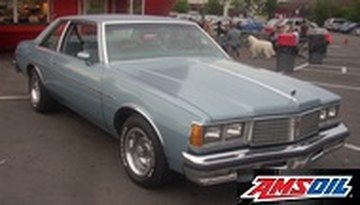
Lubrication Maintenance for the 1981 Pontiac LAURENTIAN 5.0L
Maintaining a vehicle from the early 1980s requires a proactive approach to fluid management and mechanical inspection. For owners of the 1981 Pontiac LAURENTIAN equipped with the 5.0L engine, consistent attention to lubrication systems is a fundamental aspect of long-term preservation. Because older engines often operate under different thermal and mechanical stresses than modern counterparts, understanding how to monitor and service these components is essential for reliable operation.
Monitoring Fluid Integrity and Condition
One of the most effective ways to assess the health of an engine is through regular observation of its lubricants. Rather than relying solely on scheduled intervals, an owner can gain significant insight by inspecting the physical condition of the oil during routine checks. When examining the lubricant, look for changes in color or texture that might deviate from a standard, clean appearance.
If the oil appears excessively dark or contains visible particulate matter, it may indicate that the fluid has undergone significant thermal stress or that contaminants are present within the system. Furthermore, any unusual odor emanating from the crankcase can be a sign of internal issues. While many factors can influence the state of engine oil, consistent monitoring allows an owner to identify changes early. If you notice a sudden increase in how often the oil level must be replenished, this warrants a closer inspection of the engine's sealing surfaces and overall condition.
Observing Potential Warning Signs
Identifying irregularities before they escalate into mechanical failures is a hallmark of effective maintenance. For the 1981 Pontiac LAURENTIAN 5.0L, several indicators can suggest that the lubrication system requires attention. It is important to remember that symptoms often have multiple potential causes, and a single observation should be treated as a prompt for further investigation rather than a definitive diagnosis.
- Visible Seepage: Inspecting the area around the engine block and various sealing points can reveal signs of fluid weeping or active leaks. Even small amounts of seepage can lead to significant oil loss over time if left unaddressed.
- Changes in Engine Sound: While mechanical noises can stem from many sources, any new or rhythmic sounds that coincide with engine operation should be investigated to ensure the internal components are receiving adequate lubrication.
- Exhaust Observations: Changes in the color or consistency of exhaust gases can sometimes be associated with how the engine is managing its fluids. Any unusual smoke patterns should be evaluated by a professional.
- Dashboard Indicators: If the vehicle is equipped with oil-related warning lights, these must be taken seriously. An illuminated indicator often signals that a parameter has fallen outside of acceptable operating limits and requires immediate attention.
Prioritizing Long-Term Engine Care
As vehicles age, maintenance priorities often shift from simple part replacement to more comprehensive condition monitoring. For an owner of a 1981 model, establishing a clear baseline of the vehicle's current mechanical state is highly beneficial. If service records are incomplete or unavailable, performing a thorough inspection of all major fluid systems and aging components can help create this baseline.
When managing maintenance for an older engine, it is often more effective to focus on the actual condition of the parts rather than strictly following age-based replacement schedules. For example, instead of assuming every hose or belt requires immediate replacement, inspect them for signs of deterioration such as cracking, glazing, or fraying. If equipped, checking the integrity of electrical connections and ensuring that wiring harnesses are secure and free from corrosion can prevent unexpected electrical issues. By addressing active leaks or visible signs of wear first, an owner can allocate resources toward the most pressing needs of the vehicle.
General Inspection of Engine Components
A thorough visual inspection during routine service can uncover many issues that might otherwise go unnoticed. When working near the 5.0L engine, take time to look at the surrounding components that support engine operation. This includes checking the condition of any accessible belts and hoses for signs of wear or heat-related damage. If the vehicle is equipped with a cooling system, inspecting for evidence of leaks or residue can help ensure the engine remains within its proper operating temperature range.
Additionally, pay attention to the cleanliness of the engine bay. An accumulation of dirt and grime can sometimes mask small fluid leaks, making it difficult to identify the source of a problem. Keeping the engine area relatively clean not only aids in easier inspections but also helps in monitoring the overall health of the vehicle's various systems. If you encounter any evidence of previous neglect or inconsistent maintenance during your inspections, it may be wise to perform a more comprehensive service to bring the vehicle up to a known standard.
Managing Aging Seals and Gaskets
Over decades of thermal cycling, the materials used in gaskets and seals can undergo changes. It is common for older engines to exhibit signs of seepage as these components age. When performing maintenance on the 1981 Pontiac LAURENTIAN, it is prudent to inspect various sealing surfaces for any evidence of oil or fluid migration. Rather than assuming a specific seal has failed, look for patterns of moisture or residue that suggest a need for attention.
Some owners choose to use high-mileage oil formulations, which may contain additives intended to assist with the condition of aging seals. While these products are designed with older engines in mind, they are not a substitute for addressing significant leaks through mechanical repair. Maintaining a clean and dry engine environment is the best way to determine if a seal is merely weeping slightly or if it requires more definitive service.
Practical Advice for Buying Engine Oil for the 1981 Pontiac LAURENTIAN 5.0L
When you are ready to replenish the lubrication in your engine, the most important step is to ensure that the product you select matches the specific requirements of your application. Because different engines have unique needs regarding viscosity and additive packages, you should never rely on general automotive knowledge or assumptions based on the vehicle's age.
To ensure proper protection and performance, match the engine oil to the application-specific viscosity information already displayed on this webpage. Before making a purchase, carefully check the product labeling to confirm that the oil meets the appropriate quality standards and certifications. Depending on your specific maintenance goals, you may consider different formulations, such as conventional, synthetic blends, or full synthetics; however, always prioritize the viscosity grade listed in your vehicle's technical documentation. By following the specific guidance provided in the application information above, you can ensure that your 1981 Pontiac LAURENTIAN 5.0L receives the correct lubrication for its continued operation.